How Should Wiring Harnesses Be Packaged?

A wiring harness can pass every electrical inspection and still arrive with damaged connectors, tangled branches, or incorrect labels. Poor packaging can turn good products into costly returns.
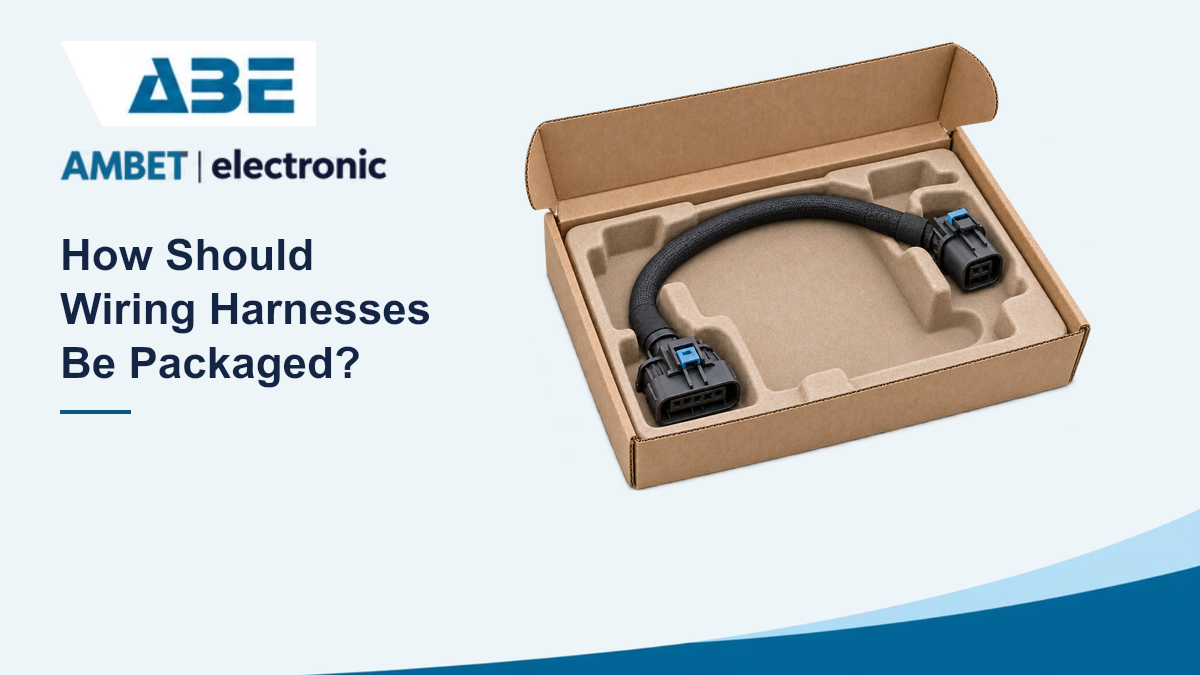
Wiring harnesses should be packaged to protect connectors, terminals, wires, and branches during storage and transportation. Suitable packaging also maintains product identification, prevents mixing between part numbers, and supports efficient receiving, inventory management, and installation.
Packaging is part of the finished product delivery. From a manufacturer's perspective, the right solution depends on the harness construction, transportation route, and how the customer will handle the products after arrival.
How Should Connectors and Branches Be Protected in Transit?
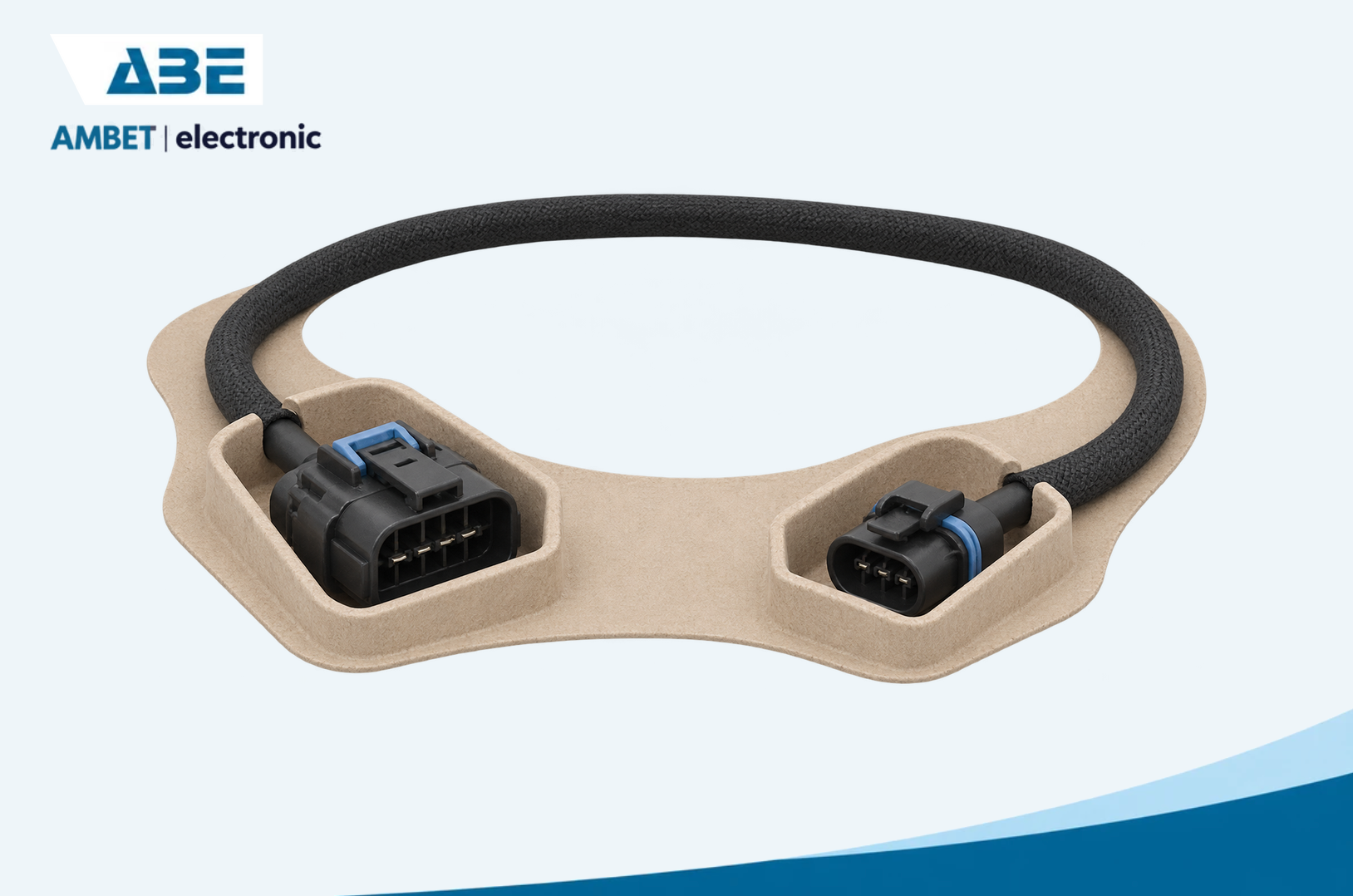
A wiring harness is flexible, but its connectors, terminals, and mounting accessories may be vulnerable to pressure, impact, and repeated movement inside a shipping carton.
Protect wiring harnesses by maintaining suitable bend radii, supporting heavy connectors, separating fragile components, and preventing excessive movement. Packing materials should protect the assembly without creating pressure on connector latches, seals, terminals, or wire insulation.
Why Does Wiring Harness Packaging Matter?
Manufacturing quality and shipping quality are closely connected. An assembly that meets its drawing and passes its electrical tests needs to remain in that condition until it reaches the customer.
Consider a vehicle wiring harness with several connector housings and mounting clips. If the connectors are allowed to move freely in a carton, they may strike neighboring assemblies during handling. A heavy connector may also press against a smaller branch or a fragile locking feature.
The resulting problem might not be discovered until the customer attempts to install the harness. A damaged latch, for example, could prevent a connector from locking securely even though the circuits still pass a continuity test.
Packaging should address several different risks:
| Packaging risk | Possible consequence | Suitable preventive measure |
|---|---|---|
| Impact between connectors | Cracked housings or damaged latches | Separate vulnerable connector ends |
| Excessively tight coiling | Stress at wire exits or permanent deformation | Use loops that meet the approved bend requirements |
| Movement inside the carton | Abrasion, tangling, or displaced protection | Support the assembly and limit unnecessary movement |
| Pressure from stacked products | Crushed clips, housings, or branches | Use suitable dividers, inserts, or load-bearing packaging |
| Dirt or moisture exposure | Contamination or deterioration of vulnerable parts | Select protection for the expected storage and shipping conditions |
| Unidentified assemblies | Incorrect parts issued to customers or production | Maintain clear product identification |
Not every harness requires the same protective structure. A short, flexible lead with compact connectors may need less protection than a large branched assembly with exposed contacts and heavy housings.
How Should a Wiring Harness Be Coiled and Secured?
Coiling is a practical way to reduce the space needed for a flexible harness, provided that the packing shape does not damage the product.
The available carton size should not determine the bend radius by itself. Start with the applicable drawing, wire and cable specifications, and any restrictions near connector exits or strain relief features.
For assemblies with several branches, arrange the main trunk first and position the smaller branches so that they are not trapped underneath heavy connectors. Restraints should keep the assembly organized without cutting into the insulation or applying excessive tension.
A harness that contains a rigid section, molded breakout, or preformed branch may need to retain a particular shape. In this situation, a larger carton or a supported insert may be more appropriate than tightly folding the assembly.
Where the engineering documentation does not define an acceptable packing shape, the manufacturer and customer should agree on the relevant limits before finalizing the pack.
Which Packaging Materials Can Protect Fragile Components?
The choice of protective materials depends on the part that needs protection and the conditions it will experience.
| Protective material or method | Typical purpose | Important consideration |
|---|---|---|
| Protective bag | Separates assemblies and helps keep them clean | Choose material and size suitable for the product and environment |
| Connector cap or end protector | Protects exposed interfaces during handling | Verify compatibility and avoid loading contacts or seals |
| Corrugated divider | Separates housings and harness variants | Provide adequate space around vulnerable features |
| Shaped insert or compartmented tray | Supports heavy or irregularly shaped components | Check fit, support points, and removal access |
| Soft restraint or band | Maintains a suitable harness loop | Avoid compression, sharp edges, and excessive tension |
| Cushioning material | Reduces movement or impact within the package | Check that it does not contaminate or damage the assembly |
An approved end protector1 can be useful where an unmated connector needs additional protection. The referenced aerospace workmanship document is an example of this principle, rather than a universal packaging requirement for all commercial harnesses.
From the manufacturing side, it is important to check how these materials interact with the finished assembly. A divider that protects one connector should not press against another branch. A protective cap should not damage a delicate terminal when it is installed or removed.
True or False:
A wiring harness can be tightly coiled to fit a smaller carton as long as it passes an electrical test before packing.
False.
Electrical testing does not establish whether the packing shape will damage the insulation, connector exits, or branch geometry during transportation. The assembly must be packed within its applicable mechanical limits.
Which Inner Packaging Method Best Fits the Customer's Application?
Packaging needs to work for the person who receives and uses the harness. A convenient arrangement at the factory may create unnecessary handling at the customer's warehouse.
Common wiring harness packaging methods include individual bags, counted bundles, partitioned cartons, and supported trays. The appropriate format depends on product fragility, order quantities, picking requirements, and whether the harness is supplied for OEM production or aftermarket sales.
What Are the Common Ways to Package Wiring Harnesses?
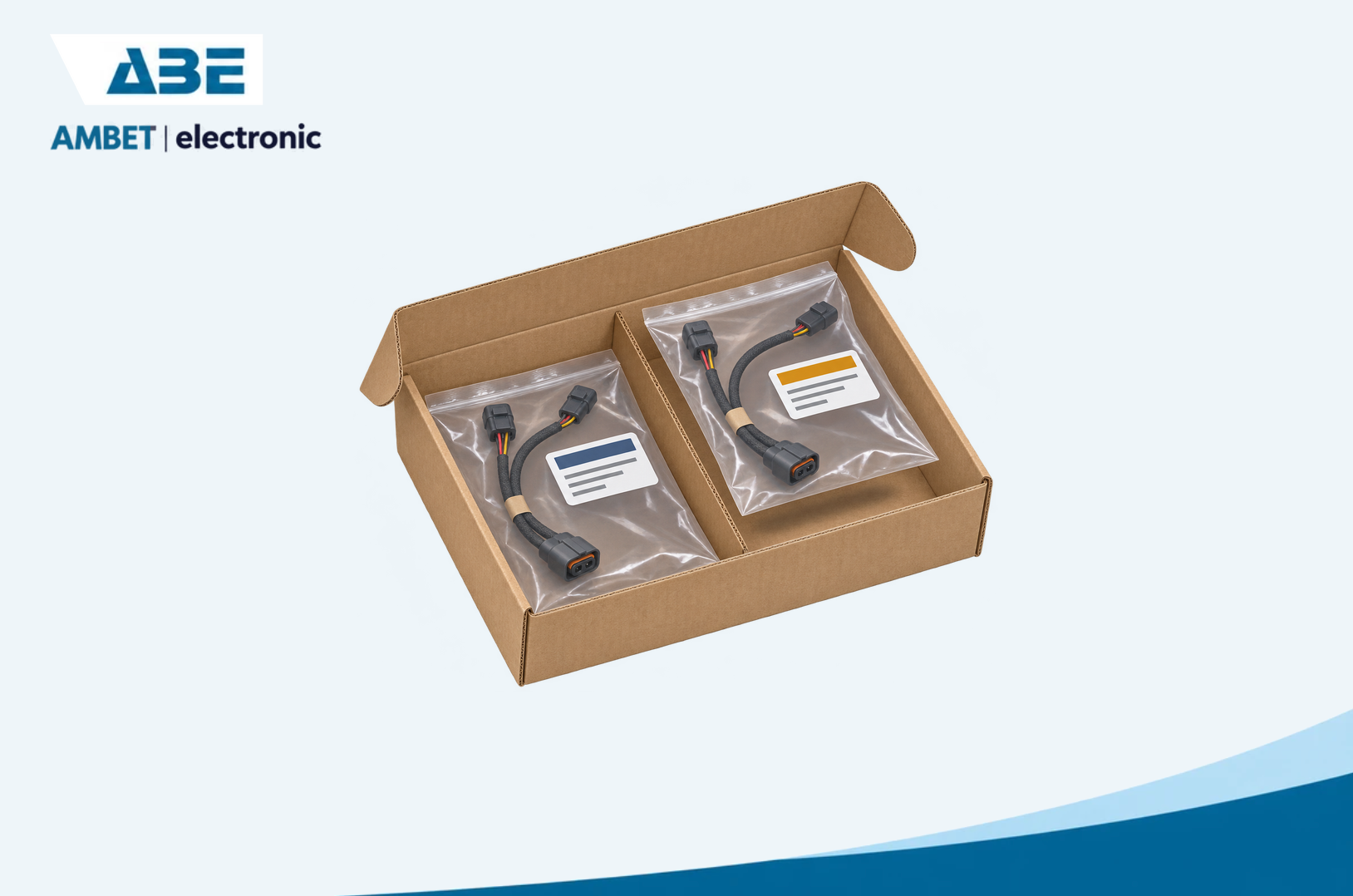
Individual packaging is useful when each assembly needs to be identified, stocked, and issued separately. It can also help aftermarket distributors prepare individual customer orders without repacking the product.
Counted bundles can be suitable for simple harnesses that are issued together to a production station. The assemblies must be easy to separate without snagging the connectors or pulling on the wires.
Partitioned cartons or compartmented trays are worth considering when the product contains heavy housings, delicate locks, exposed ends, or complicated branches. The separation can help prevent contact between assemblies and preserve their arrangement during handling.
| Packaging format | Suitable application | What to verify |
|---|---|---|
| Individual protective bag | Replacement parts and single-unit picking | Product identification, bag size, and safe removal |
| Counted bundle | Simple harnesses issued in fixed quantities | Correct count, suitable restraint, and easy separation |
| Partitioned carton | Harnesses with vulnerable connectors or several similar variants | Adequate separation and clear identification |
| Supported tray or insert | Heavy connectors or irregular assembly shapes | Support, clearance, and repeatable placement |
| Retail-ready inner pack | Private-label aftermarket programs | Approved artwork, contents, barcode, and product protection |
A more elaborate package is not automatically a better choice. The objective is to meet the agreed protection and handling requirements without unnecessary packaging costs.
How Do OEM and Aftermarket Packaging Requirements Differ?
An OEM customer may receive harnesses directly into an assembly operation. The packaging needs to support the customer's production schedule, issue quantities, identification system, and installation process.
An aftermarket distributor may store many similar part numbers and pick one product at a time. Individual identification and easy separation become particularly important. If the distributor sells the harness under its own brand, the inner packaging may also need to carry approved artwork, product references, and installation information.
For example, consider an illustrative order of 12 harnesses each of HW-104A and HW-104B. Both variants use similar connector housings, but one has a different branch length. Mixing them without clear inner identification can lead to incorrect stock allocation or customer returns.
Separate master cartons are one option when the customer's warehouse receives products by SKU. If a mixed carton is permitted, each variant should be identified at the agreed picking level, and the contents list should show the quantity of each part number.
True or False:
Two visually similar harness variants can share an unmarked inner pack if the total carton quantity is correct.
False.
The carton count does not identify which variant a warehouse worker is picking. Each variant needs positive identification at the level where the customer receives, stocks, or issues it.
How Can Buyers Balance Packaging Protection and Cost?
Packaging affects more than the cost of a bag or carton. Additional protective materials may increase packing labor and shipment volume, while insufficient protection may result in damaged parts, repacking, and claims.
When discussing a packaging quotation, customers should consider the number of harnesses per carton, the proposed inner packaging, the carton dimensions and gross weight, and any special labeling or pallet requirements.
A useful comparison keeps the product specification and shipping conditions the same. For example, a bulk pack may appear cheaper than individually labeled bags, but the distributor may need to identify and repackage every harness before selling it. That additional work belongs in the overall purchasing decision.
At AMBET, we can review the customer's packaging requirements alongside the harness drawing or reference sample. Special packaging and labeling can be identified separately in the quotation when they affect the cost. This helps both parties compare the same delivery scope before the order is confirmed.
What Goes on the Unit Label and the Carton Label?
A correct wiring harness is difficult to use if the receiving team cannot identify its part number, quantity, or applicable production lot.
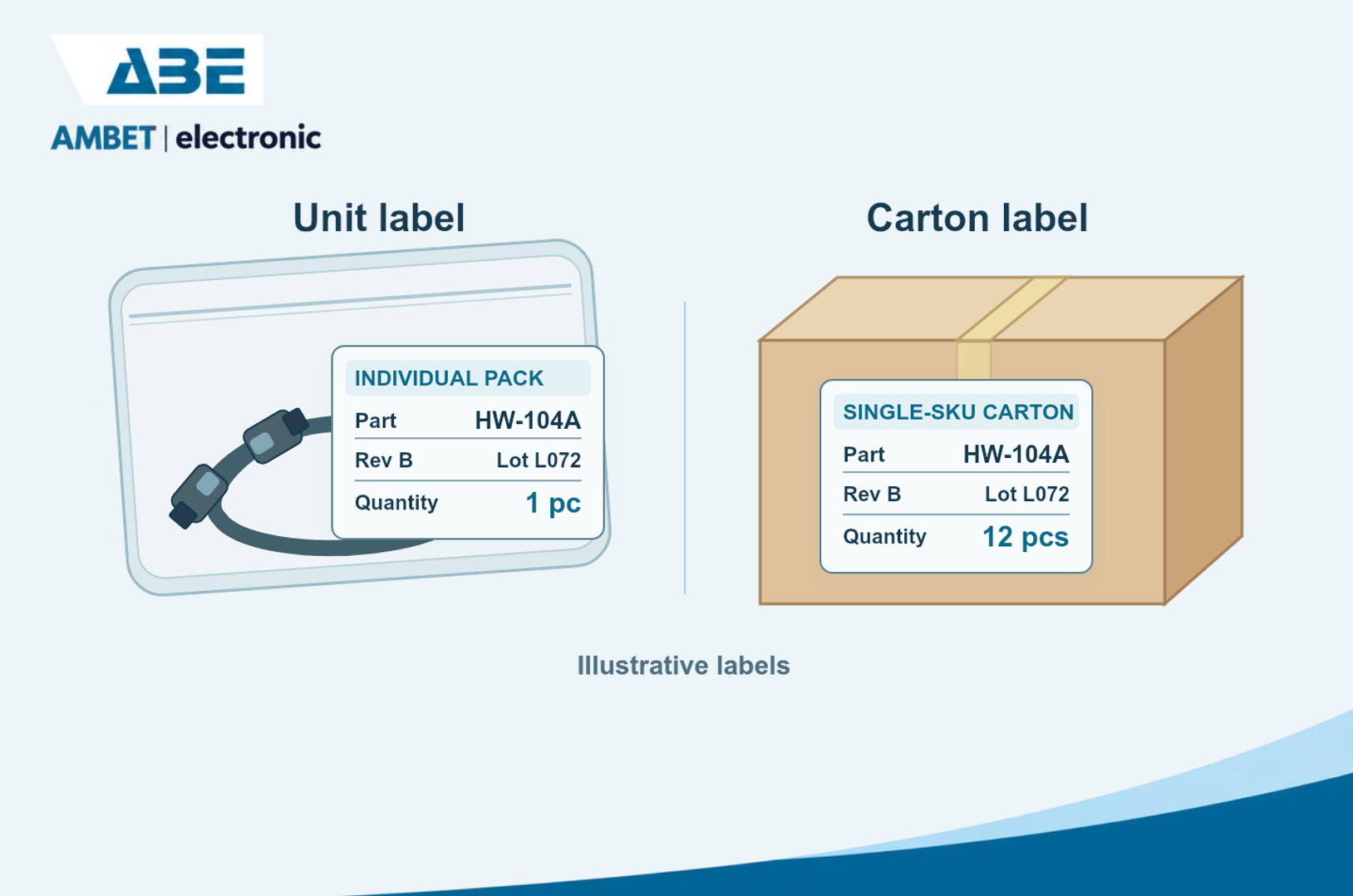
Wiring harness labels should identify the product at the relevant packaging level. Unit labels typically carry the agreed product reference, while carton labels identify the shipment contents and quantities. Revision, lot, barcode, and other information should follow the customer's approved requirements.
What Information Should Each Packaging Level Identify?
A harness label, an individual bag label, and a shipping carton label perform different functions. Before creating the artwork, establish what each label identifies and how the customer will use it.
| Packaging level | Information to agree where applicable |
|---|---|
| Harness itself | Product part number, revision, lot or serial reference |
| Individual bag or retail pack | Customer SKU, product description, barcode, and pack contents |
| Master carton | Part numbers, quantities, lot references, and shipping identification |
| Pallet or logistics unit | Agreed logistics identifier and associated shipment information |
These are possible fields rather than mandatory requirements for every project. The actual label content depends on the purchasing documents, customer system, and any applicable destination requirements.
A barcode that scans successfully is not necessarily correct. The encoded data must correspond to the intended item or logistics unit. For customers who use GS1 standards, the applicable trade item and logistics identifiers2 help distinguish these identification levels.
For example, if a carton contains twelve harnesses, the receiving system must distinguish between scanning one sellable unit and scanning a carton containing twelve units. The customer and manufacturer should agree on the encoded data, label placement, and transaction interpretation before production printing.
How Can Packaging Requirements Be Included in an RFQ?
Packaging is easier to quote accurately when the customer describes the required delivery format together with the technical specifications of the harness.
A written packaging specification3 can serve as a common reference for the buyer, manufacturing team, and receiving warehouse. The Cummins guidance is an example of an OEM-specific approach to communicating packaging requirements.
For a custom wiring harness RFQ, the following information is particularly useful:
- Harness part numbers, revisions, and expected order quantities.
- Required packing orientation and protection for connectors, branches, and exposed ends.
- Quantity per individual pack, bundle, master carton, and pallet where applicable.
- Rules for partial cartons and mixed part numbers.
- Approved label artwork, barcode data, and label placement.
- Carton dimension and gross weight restrictions.
- Shipping method, stacking requirements, and destination-specific receiving conditions.
- Any required packaging sample approval, transit testing, or inspection records.
For private-label projects, provide the approved artwork and identify who is responsible for its final authorization. This prevents a manufacturer from having to guess the product description, fitment claims, or barcode values.
When customers send these details to AMBET, we can review their requirements with the proposed harness construction and identify any questions that need to be resolved before the packaging is quoted or prepared.
How Should Wiring Harness Packaging Be Approved Before Shipment?
An open-carton photograph shows the arrangement of a product. It does not establish whether the closed package can withstand the intended distribution conditions.
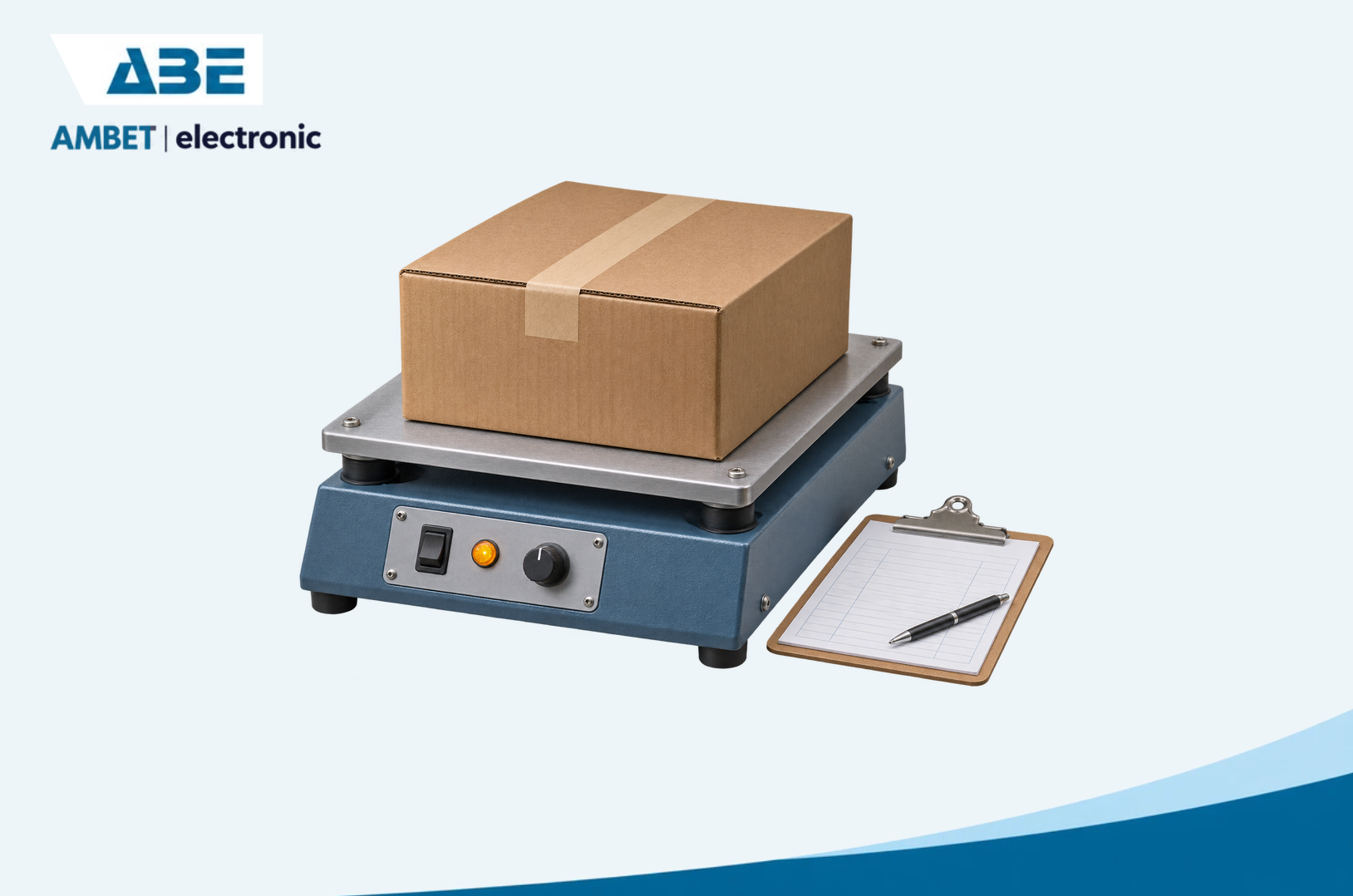
Approve wiring harness packaging using a representative packed sample, agreed identification and quantity checks, and transit validation where required. The manufacturer should demonstrate the proposed packing method, while the customer confirms that it satisfies the project's receiving and delivery requirements.
What Should a Packaging Sample Demonstrate?
Use a representative harness with the intended protective materials, restraints, labels, carton, and packing quantity. The sample should show how the product is arranged and how each vulnerable component is protected.
A practical packaging review can include the following checks:
| Inspection item | What should be verified |
|---|---|
| Harness arrangement | Suitable loop shape, branch positioning, and connector clearance |
| Protective components | Correct placement, adequate support, and safe removal |
| Inner pack quantity | Agreement with the approved packing specification |
| Product separation | No unacceptable contact or mixing between assemblies |
| Labels and barcodes | Correct data, placement, legibility, and scan results |
| Carton closure | Suitable closure and no harmful pressure on the contents |
| Unpacked condition | No damage, excessive deformation, or displaced protective features |
If partial cartons are allowed, review how the remaining space will be managed. The protective arrangement used for a full carton may not work when fewer harnesses are shipped.
Similarly, palletized shipments may require review of carton arrangement, stacking, load restraint, and identification. The applicable requirements should be agreed rather than assumed.
When Is Transportation Testing Necessary?
Not every wiring harness order needs a formal packaging laboratory test. The decision depends on the product's vulnerability, the distribution route, the customer's requirements, and the consequences of damage.
An individual parcel may experience different handling from a palletized shipment. When formal validation is required, a suitable transit test protocol4 should be selected to represent the relevant distribution conditions.
Before testing, define what constitutes an unacceptable result. Examples may include cracked housings, damaged connector locks, displaced protective inserts, label scan failure, or a harness that no longer fits its approved fixture.
Additional electrical checks after transit simulation may be appropriate if required by the agreed inspection plan. The test method and acceptance criteria should be defined before the validation begins.
How Can Packaging Quality Be Maintained Across Repeat Orders?
An approved packaging sample provides a reference for later production. Keep the packing specification, relevant photographs, label artwork, and approval record together with the product identification and revision.
If a carton, divider, restraint, or pack quantity changes, evaluate how the change affects protection, identification, handling, and delivery costs. Obtain any required customer authorization and repeat the relevant checks before implementing the change.
The receiving team can use the approved packing information to check incoming shipments. If a carton arrives damaged or contains an identification discrepancy, preserve the labels, photographs, and lot details so the manufacturer and customer can investigate the specific shipment.
The same principle applies to repeated purchasing: packaging should not become an uncontrolled variable simply because the electrical design has remained unchanged.
Conclusion
Suitable wiring harness packaging protects the assembly, maintains clear identification, and supports efficient receiving. Agree on protection, packing quantities, labels, and validation before production shipments.
Shows how NASA’s harness workmanship standard uses covers to protect unmated connectors during handling and storage. ↩
Explains the different roles of a trade item identifier and a logistics unit identifier in GS1 labeling. ↩
Shows how one OEM collects packaging specifications from its suppliers for review. ↩
Explains how to choose transit testing for the distribution route and define acceptance criteria before testing. ↩