What Do You Need for a Wire Harness Quote?
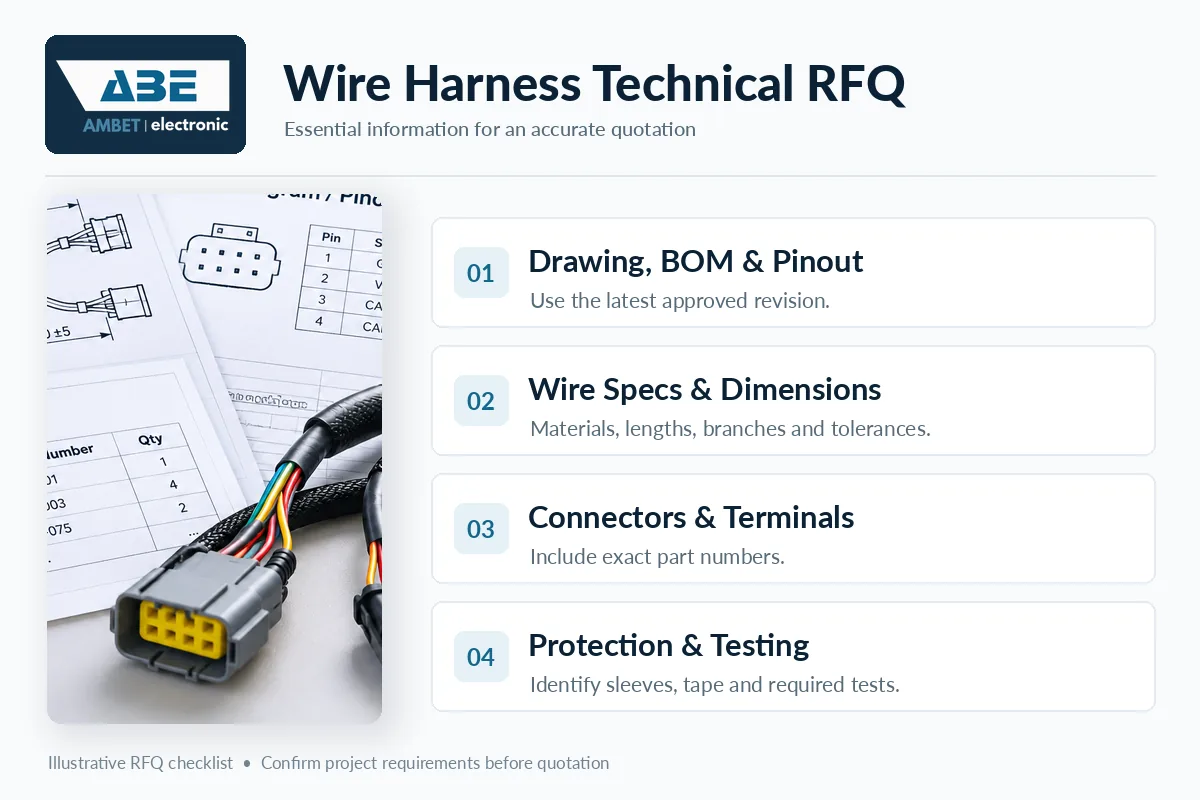
A wire harness manufacturer needs more than a product photo to prepare an accurate quote. Missing wire specifications, dimensions, or connection details can lead to assumptions that change the price later. A clear technical package, together with the purchasing requirements, helps your supplier assess materials, production work, and delivery conditions before confirming a price.
For an accurate quote, a wire harness manufacturer needs wire specifications, wire lengths and tolerances, terminal and connector part numbers, and a wiring diagram or pinout. Buyers should also provide quantities per part number, testing requirements, packaging instructions, and delivery expectations. These details help the supplier confirm manufacturability and calculate a reliable price.
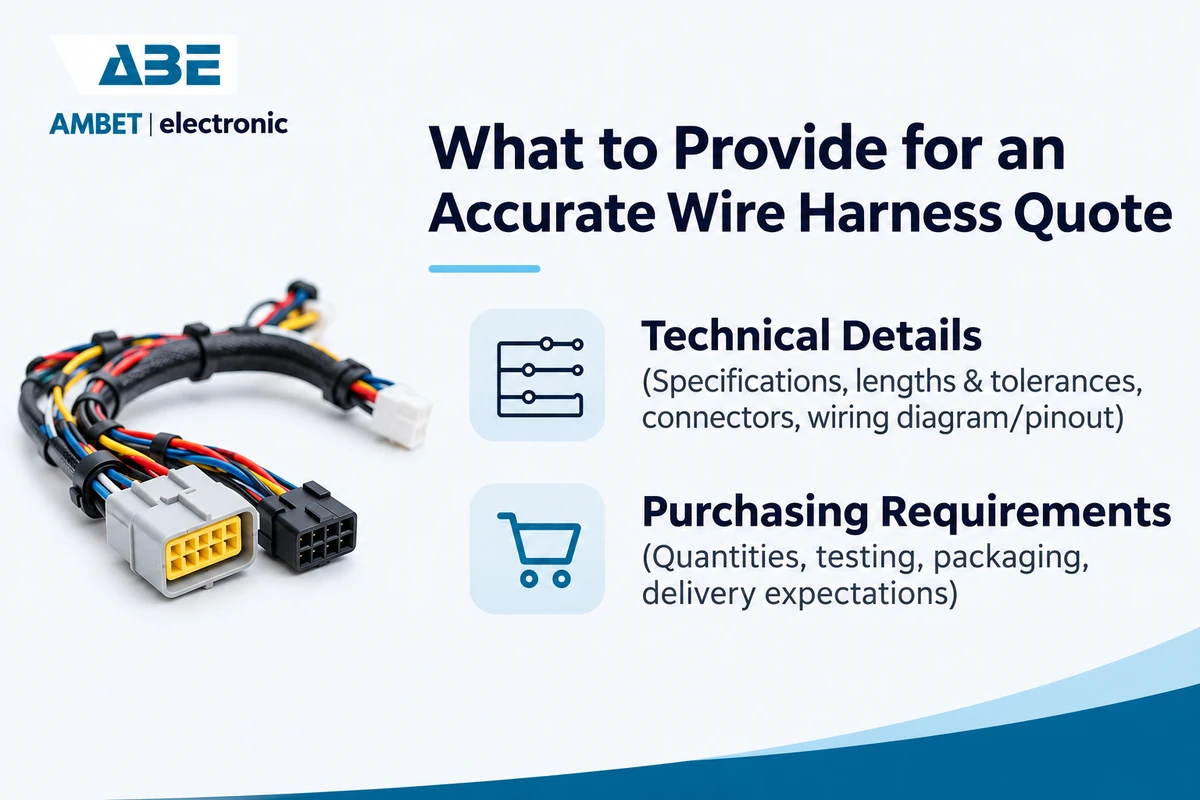
A useful RFQ separates technical specifications from commercial requirements. Both influence the final quotation, but each raises different questions. This guide explains what to prepare, what to do when drawings are incomplete, and how AMBET reviews a custom wire harness inquiry.
What Technical Information Should You Provide?
Some quote requests describe the application but leave the actual harness construction unclear. For example, “industrial motor wiring” does not specify which wires, connectors, or assembly operations are required. Clear connection details and finished dimensions make it easier for suppliers to assess the same scope of work.
Provide the latest revision-controlled drawing, BOM, and wiring diagram or pinout whenever available. Your technical package should identify wire specifications, finished lengths and tolerances, connector and terminal part numbers, branch dimensions, protective materials, and required tests. If these documents conflict, resolve the discrepancy in writing before confirming the quotation.
Four essential technical inputs for an accurate quote
Your basic checklist should answer four questions:
- What wire does the harness use?
- How long is each wire or branch?
- Which terminals and connectors does it require?
- How does each wire connect from one point to another?
These four inputs form the foundation of a reliable quotation. Without them, a manufacturer may have to make assumptions about material consumption, component selection, or assembly work.
| Technical input | Information to include | Why it affects the quotation |
|---|---|---|
| Wire specification | Manufacturer or approved specification, AWG/mm²1, conductor material, insulation, color | The specification determines material selection and purchasing cost |
| Wire length | Finished dimensions, reference points, and tolerances | The dimensions affect material usage and inspection |
| Connectors | Manufacturer and exact part number | Connector pricing and availability can vary substantially |
| Terminals | Exact part number and any specified finish | Terminals affect compatibility, tooling, and processing |
| Wiring diagram or pinout | Connector identifiers, cavity numbers, and connection mapping | The mapping defines assembly and electrical testing |
| Protection | Sleeving, conduit, tape, shielding, and coverage lengths | Protection adds materials and manufacturing operations |
Finished dimensions versus wire cut lengths
A wire cut length and a finished connector-to-connector dimension are not necessarily the same. Termination, routing, and assembly geometry can affect the relationship between them.
Mark the measurement reference points clearly on the drawing. For a branched harness, also show branch locations, branch lengths, and any required fixing positions.
Avoid selecting an arbitrary tolerance simply to complete the RFQ. Your engineering team should define tolerances that support installation and function. Qualified personnel should also confirm wire sizing, electrical ratings, and application-specific safety requirements.
Testing and acceptance requirements
The manufacturer also needs to know how the finished harness will be inspected and accepted. Specify the applicable requirements for:
- Continuity, incorrect connections, shorts, and open circuits2.
- Crimp height and pull-force inspection3.
- Appearance and dimensional inspection.
- Additional dielectric, environmental, or waterproof testing where required.
- Inspection records and traceability.
Be clear about the difference between tests required on every unit and inspections performed under an agreed control plan. This affects equipment, labor, documentation, and ultimately the quoted cost.
What Commercial Details Affect Your Quote?
Two suppliers can quote the same drawing at very different prices if one assumes a large production batch and the other assumes a small trial order. To make quotations comparable, include quantities, shipping expectations, and commercial conditions from the beginning.
Provide the order quantity for each part number, expected repeat demand, sample requirements, target delivery date, delivery destination, and preferred trade terms. Include packaging, labeling, inspection documents, and any special approval requirements. These details help the manufacturer distinguish unit production costs from tooling, testing, freight, and other project charges.
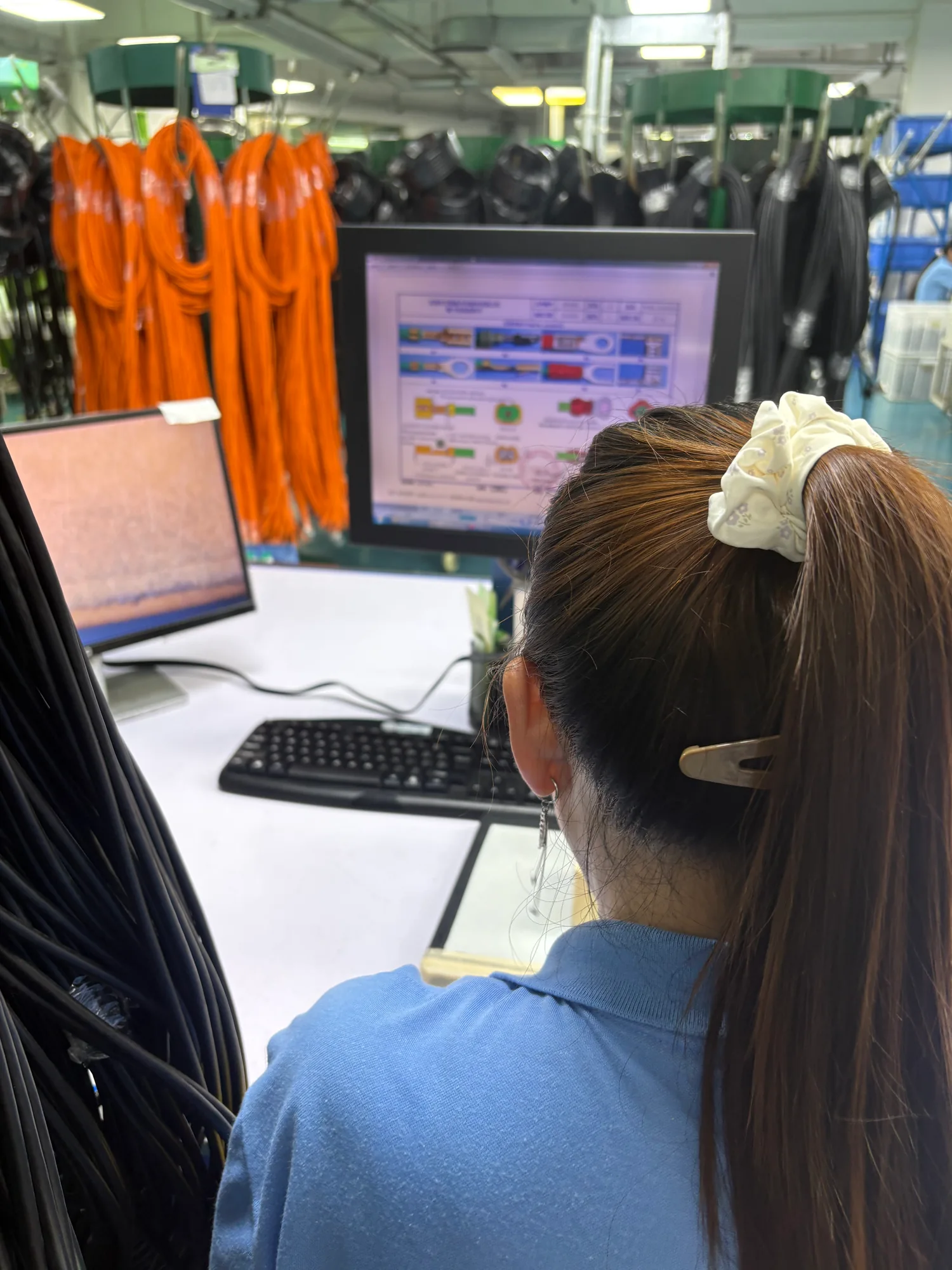
Quantities and forecasts by part number
A request for “2,000 harnesses” remains incomplete if it covers eight different designs. Each design may require separate materials, production setup, test fixtures, and packaging.
A simple quantity schedule is often the clearest way to present the requirements:
| Part number | Drawing revision | Initial quantity | Expected repeat demand | Packaging requirement |
|---|---|---|---|---|
| WH-001 | Rev. B | 500 | Quarterly forecast | Bulk packaging |
| WH-002 | Rev. A | 500 | Demand to be confirmed | Individual labeled bags |
| WH-003 | Rev. C | 1,000 | Monthly forecast | Customer-approved cartons |
The part numbers below are examples of an RFQ format, not AMBET catalog items.
AMBET’s usual minimum order quantity is 500 pieces per independent part number. Smaller quantities may be reviewed case by case. Different designs should not be assumed to share a single model’s MOQ, even when they appear in the same inquiry.
Forecasts help a manufacturer assess material planning and potential repeat demand, but they should remain separate from committed order quantities. A forecast does not automatically lock in pricing or reserve materials.
Compare the total purchasing cost
A low unit price may exclude charges that another quotation already includes. Check the following items before comparing offers:
- Sample charges.
- Tooling and test fixtures.
- Special inspection or certification work.
- Brand labels and custom packaging.
- Sample courier costs and international freight.
- Import duties and other destination charges.
Ask each supplier to show what is included and excluded. A transparent breakdown is more useful than comparing unit prices without confirming the quoted scope.
Define the delivery milestone clearly
Keep production completion, dispatch, and arrival as separate milestones.
For AMBET projects, production of an approved design may take approximately 2–3 weeks when materials and capacity are available. New custom or complex projects commonly require around 4–6 weeks. These are planning estimates; the actual schedule depends on the project.
The production period starts after the agreed payment and required technical or sample approvals are complete. It normally runs through pre-shipment inspection, not delivery to the destination. Confirm the project-specific starting conditions, lead time, and whether the schedule is expressed in calendar or working weeks.
Agree on trade terms such as EXW or FOB explicitly. These terms do not replace separate agreements on payment, inspection, or warranty obligations.
What If You Don't Have Complete Drawings?
Replacement sourcing and equipment modifications do not always begin with a complete drawing package. You may have an installed harness, an older sample, or only preliminary sketches. Identify what is available and what is missing so the manufacturer can explain the next review steps.
If complete drawings are unavailable, send preliminary sketches, a physical sample, photographs, known component part numbers, and connection information. A wire harness manufacturer may be able to provide a preliminary quote with stated assumptions or help document a sample. The buyer must approve the resulting technical specifications before final production pricing and manufacturing are confirmed.
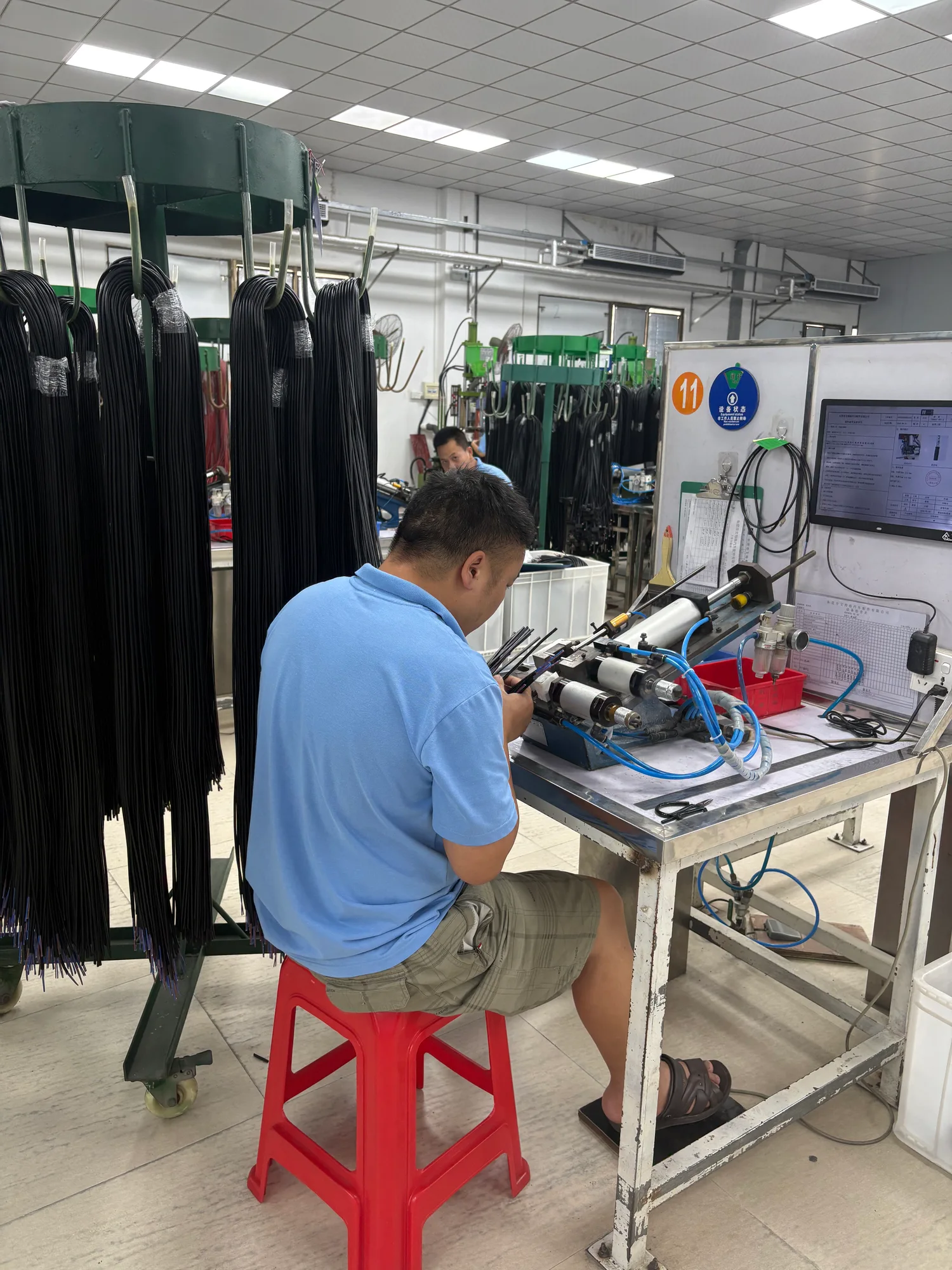
Match your available information to the review process
Be specific about which documents or physical references are available. An incomplete package can support an initial review, but it should not be presented as production-ready.
AMBET can review inquiries at different levels of technical completeness:
| Available input | AMBET's review support | Buyer approval requirement |
|---|---|---|
| Formal drawing, BOM, and pinout | Technical, material, and process review; sampling and production to approved requirements | The customer approves the governing revision |
| Preliminary drawing | Assistance with refinement and material or connector suggestions | The customer approves the final drawing |
| Physical sample without a drawing | Measurement and preparation of internal specification documents | The customer confirms the documented requirements |
| Application description only | Initial material and specification suggestions | The customer must still supply formal design drawings |
An application description alone does not amount to a finished product design. The customer remains responsible for supplying formal design drawings and approving the electrical, mechanical, and safety requirements needed for production.
What samples and photographs cannot confirm
A physical sample can help a wire harness manufacturer identify construction details, but it may not reveal every requirement4. An aged sample may have altered dimensions, worn labels, damaged insulation, or replacement components.
Photographs have similar limitations. They can help identify visible features, but they cannot by themselves confirm an exact connector series, terminal specification, or pinout.
Include as many of the following details as you can:
- Equipment or vehicle identification.
- Original part numbers and cross-reference information.
- Connector markings.
- Known connection diagrams.
- Installation dimensions.
- Required changes from the reference sample.
For automotive aftermarket projects, include the applicable vehicle and fitment information. Two harnesses that look alike are not necessarily interchangeable5.
Preliminary quotes versus confirmed production quotes
When technical information is incomplete, a preliminary cost estimate may still be useful for budgeting. However, the quotation should clearly identify assumptions, exclusions, and unresolved items.
For example, a preliminary quote might assume a specified wire type while the final connector part number remains open. That estimate should not be treated as a confirmed production price until the necessary details are approved.
AMBET’s typical sample preparation time is approximately three weeks, subject to material availability, tooling, and scheduling. International transport and customer validation take additional time and should be planned separately.
Common Mistakes That Delay Wire Harness Quotations
Quotation delays often start with small inconsistencies rather than completely missing documents. A connector code in an email may differ from the BOM, or a revised drawing may arrive without an updated revision note. Resolving these issues early prevents avoidable clarification rounds.
Before sending an RFQ, check for missing pinouts, unclear dimensions, incomplete component codes, conflicting revisions, unspecified testing, and quantities that are not separated by part number. Identify any proposed substitutions and define delivery assumptions. A consistent package helps the supplier quote the intended product rather than an interpretation of it.
![Wire harness manufacturer quotation checklist showing revision control and missing RFQ details] (https://ambett.com/wp-content/uploads/2026/11/wire-harness-quotation-common-mistakes.webp)
Replace vague descriptions with verifiable requirements
Terms such as “standard connector,” “heavy-duty wire,” or “waterproof harness” sound useful, but they do not define a complete requirement.
Use identifiable components and measurable acceptance criteria wherever possible. If a component has not yet been selected, mark it as an open decision instead of implying that a supplier-proposed alternative is already approved.
| Common RFQ issue | Why it creates uncertainty | How to correct it |
|---|---|---|
| The buyer supplies only a photograph | The supplier cannot confirm hidden construction details | Add part numbers, dimensions, and connection information |
| The connector description is incomplete | Similar-looking components may not be interchangeable | Specify the connector manufacturer and exact part number |
| The drawing and BOM disagree | The supplier does not know which requirement governs | Issue one consistent, approved document revision |
| The RFQ states only a total quantity | The supplier cannot assess each design’s batch economics | List quantities for every independent part number |
| The request says “urgent” | The supplier cannot identify the required milestone | State the required dispatch date or arrival date |
| Testing requirements appear after pricing | The original quote may exclude equipment and labor | Include acceptance and testing requirements in the initial RFQ |
Keep document revisions clear
Use one clearly identified document package for quotation. The drawing and BOM should carry revision numbers, and the RFQ should identify the documents that govern the requested design.
When a requirement changes, send the updated document with a brief change summary. Scattered email comments should not silently replace an approved drawing revision.
For AMBET projects, changes to connectors, pinouts, or wire gauges may require renewed sampling and approval. Other changes also need technical and quality review to determine their impact on validation, cost, and delivery. Confirm the review outcome before relying on an earlier sample approval.
Distinguish quality-system certification from product approval
A request such as “all certifications included” leaves the supplier uncertain about the required evidence.
Name the exact requirement and clarify whether it applies to the factory’s quality-management system, individual materials, or the finished assembly. Certificate validity, scope, and the covered production entity should also be checked.
For example, UL-recognized materials do not automatically make an entire finished harness UL-certified6. Application-specific compliance decisions should involve qualified professionals and the applicable requirements.
How AMBET Reviews Your Wire Harness RFQ
A dependable quotation may require input from several functions. Engineering reviews the design, purchasing evaluates materials, and production and quality teams consider manufacturing and inspection requirements. At AMBET, the purpose of this review is to clarify feasibility and project scope before a price is confirmed.
AMBET reviews drawings, BOMs, pinouts, quantities, and commercial requirements before preparing a project-specific quotation. The team assesses technical feasibility, material and production considerations, and applicable inspection needs. If details are missing, AMBET requests clarification. New custom projects normally move through sampling and customer approval before bulk production.
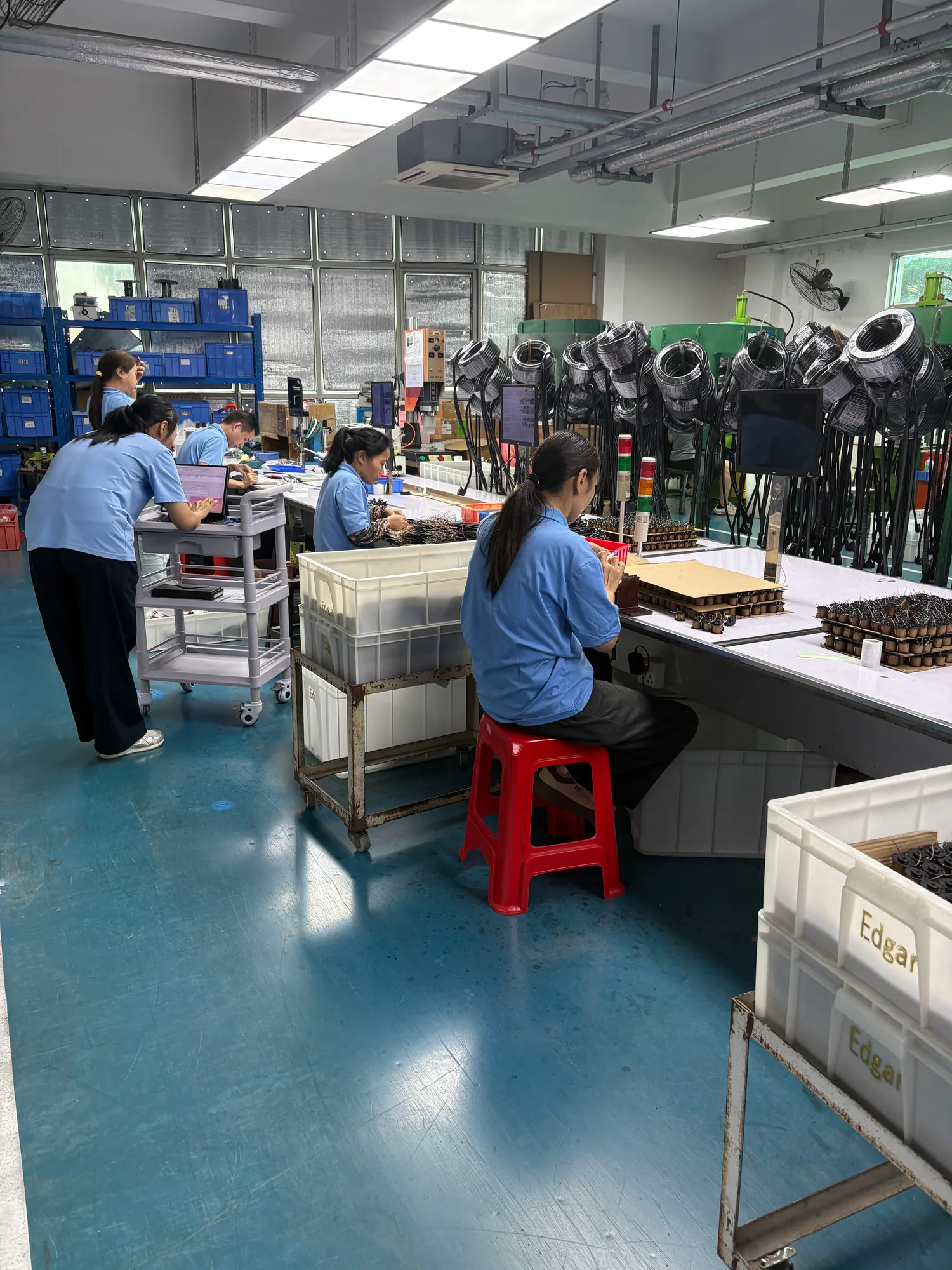
Step 1: Confirm requirements and project fit
The first step is to confirm whether the inquiry concerns a complete wire harness, wiring loom, or cable assembly. AMBET focuses on these assemblies rather than standalone sales of loose connectors or bulk cable.
The initial review covers five points:
- Identify the part numbers and technical revisions.
- Review the drawings, BOM, and pinout.
- Confirm quantities and target delivery expectations.
- Record testing, labeling, and packaging requirements.
- Clarify missing information and items requiring customer approval.
If a project’s application, certification needs, or commercial conditions fall outside confirmed capabilities, AMBET may request further clarification or decline the inquiry. A quotation should not be taken as evidence that every application has already been qualified.
Step 2: Review feasibility and quotation scope
After the initial requirements review, AMBET brings together the relevant technical and purchasing information to evaluate feasibility, materials, manufacturing work, inspection needs, and estimated lead time. Sales then prepares the commercial quotation based on the reviewed scope.
Any early budget estimate should be distinguished from the final approved quotation. The confirmed offer should identify the relevant technical revision, quantities, pricing basis, and important assumptions or exclusions.
AMBET generally uses a 30-day quotation validity period, subject to the terms of the individual offer. Check the quotation itself for the exact validity period and any material or pricing conditions.
For inquiries involving several part numbers, each design should be quoted with its own quantity, unit price, and applicable MOQ.
Step 3: Confirm samples and production requirements
For a new custom project, customer-approved samples help establish the agreed construction before bulk production. AMBET can retain documented customer approval, such as an email or formal approval record, together with the approved technical information.
Before production, check that the purchase order (PO) and quotation or pro forma invoice (PI) agree on:
- Product identification and revision.
- Quantity and price.
- Payment conditions.
- Inspection and packaging requirements.
- Delivery and trade terms.
For quality requirements, AMBET performs applicable key electrical checks on each assembly, while other inspections follow the agreed control plan and order requirements. Additional customer or third-party inspection should be discussed and agreed in advance.
Frequently Asked Questions
Can I get a wire harness quote from a photo alone?
A photo is useful for starting a discussion, but it is usually not enough for a confirmed production quote. Photographs cannot reliably show exact wire specifications, terminal identities, hidden connections, or tolerances. Send available drawings, component part numbers, pinout details, or a physical sample for further review.
Do I need both a BOM and a wiring diagram?
Both are helpful whenever available. A BOM identifies the required components and materials; a wiring diagram or pinout specifies the electrical connections. The information can be combined in a clear, controlled document, provided no essential details are missing.
What is AMBET’s minimum order quantity?
AMBET’s usual MOQ is 500 pieces per independent part number. Requests for smaller quantities are reviewed individually based on factors such as material purchasing minimums, tooling, production work, and project economics. Different designs do not automatically share one MOQ.
Can AMBET suggest alternative connectors or wires?
AMBET can propose materials or connector options during technical review. Any substitution must be approved by the customer before it becomes part of the final specification. Your engineering team should verify compatibility and application suitability, and the approved change should be reflected in the controlled documents.
How can I compare quotations from different suppliers?
Compare each offer against the same drawing revision, BOM, quantities, testing requirements, packaging, and trade terms. Check sample charges, tooling, freight, exclusions, and delivery assumptions as well. The lowest unit price is not necessarily the lowest total procurement cost if the quoted scopes differ.
An accurate wire harness quotation starts with clear wire specifications, finished lengths, terminal and connector part numbers, and a wiring diagram or pinout. Quantities by part number, testing requirements, packaging, and delivery expectations complete the RFQ package. If drawings are incomplete, identify the gaps and request a preliminary review before treating a price as final.
Send AMBET your drawings, BOM, pinout, or reference sample details, together with quantities and your target schedule, so the team can assess your project and advise on the next steps.
"Wire gauge", https://en.wikipedia.org/wiki/Wire_gauge. American Wire Gauge (AWG) is a standardized wire gauge system originating in North America, while metric cross-sectional area (mm²) is used under IEC 60228 and is predominant in European and international specifications. The two systems are not directly interchangeable but conversion tables are widely published. Evidence role: definition; source type: encyclopedia. Supports: That AWG (American Wire Gauge) and mm² (cross-sectional area in square millimeters) are the two principal conductor sizing systems used internationally in wire and cable specifications. ↩
"Wire Harness Testing Methods: Continuity, Hipot, and ...", https://vitrek.com/wire-harness-testing-methods-continuity-hipot-and-insulation-resistance-explained/?srsltid=AYCX9vKiSQXwZGTp4bqq9s-NPn32wptncWOFuGypJE-e2CMGUcO79MgI. Industry standards such as IPC/WHMA-A-620 and customer-specific requirements commonly mandate end-of-line electrical testing of wire harness assemblies, including continuity verification, miswire detection, short-circuit testing, and open-circuit testing to confirm correct assembly and electrical integrity. Evidence role: definition; source type: institution. Supports: That continuity, miswire, short-circuit, and open-circuit testing are recognized end-of-line electrical verification methods for wire harness assemblies. Scope note: Specific test parameters and acceptance criteria depend on the applicable standard revision and customer requirements. ↩
"Analysis of Pull Force Test Results for Crimped Connections", https://ntrs.nasa.gov/citations/20220017466. IPC/WHMA-A-620 and UL 486A-486B define crimp quality inspection criteria including crimp height measurement and tensile (pull-force) testing as standard methods for verifying the mechanical integrity of crimped connections in wire harness assemblies. Evidence role: definition; source type: institution. Supports: That crimp height measurement and pull-force testing are recognized inspection methods for crimped wire terminations. Scope note: Specific acceptance values depend on terminal manufacturer specifications and the applicable standard revision. ↩
"Reverse engineering", https://en.wikipedia.org/wiki/Reverse_engineering. Reverse engineering of electrical assemblies from physical samples is subject to inherent limitations including material degradation over time, loss of identifying markings, dimensional changes from thermal cycling or mechanical stress, and the inability to determine internal specifications such as conductor alloy, insulation rating, or terminal plating from external inspection alone. Evidence role: mechanism; source type: research. Supports: That reverse engineering from physical samples introduces uncertainty due to material aging, dimensional changes, worn markings, and the inability to verify hidden specifications such as conductor composition or insulation ratings from visual inspection alone. Scope note: This describes general engineering limitations; specific accuracy of sample-based documentation depends on the sample condition and the measurement methods employed. ↩
"Wiring Harness Swap Between Vehicles: Expert Q&A Guide", https://www.justanswer.com/dodge/wahu3-vehicle-harness-swap-vin-compatibility.html. Automotive wiring harnesses are designed to vehicle-specific electrical architectures where connector keying, pin assignments, wire gauges, and circuit protection vary across model years and trim levels, meaning visually similar harnesses may not be electrically or mechanically interchangeable. Evidence role: general_support; source type: research. Supports: That automotive wire harnesses with similar physical appearance may differ in pinout, wire gauge, connector keying, or circuit assignments, making them non-interchangeable. Scope note: This is a general engineering principle; specific interchangeability must be verified against OEM part number cross-references for each application. ↩
"UL Listed vs. UL Recognized: What's the Difference?", https://info.triadmagnetics.com/blog/ul-listed-vs-ul-recognized. Underwriters Laboratories distinguishes between the UL Recognized Component Mark (UR), which indicates a component has been evaluated for use as part of a larger system, and the UL Listed Mark, which certifies a finished product meets applicable safety standards. Use of recognized components does not automatically confer UL listing on the end assembly. Evidence role: definition; source type: institution. Supports: That UL component recognition applies to individual materials or components evaluated for use within a larger product, and does not constitute UL listing or certification of the finished assembly. Scope note: UL program structures and mark types may be updated; the current UL website should be consulted for the latest definitions. ↩