How to Inspect Wire Harness Quality?

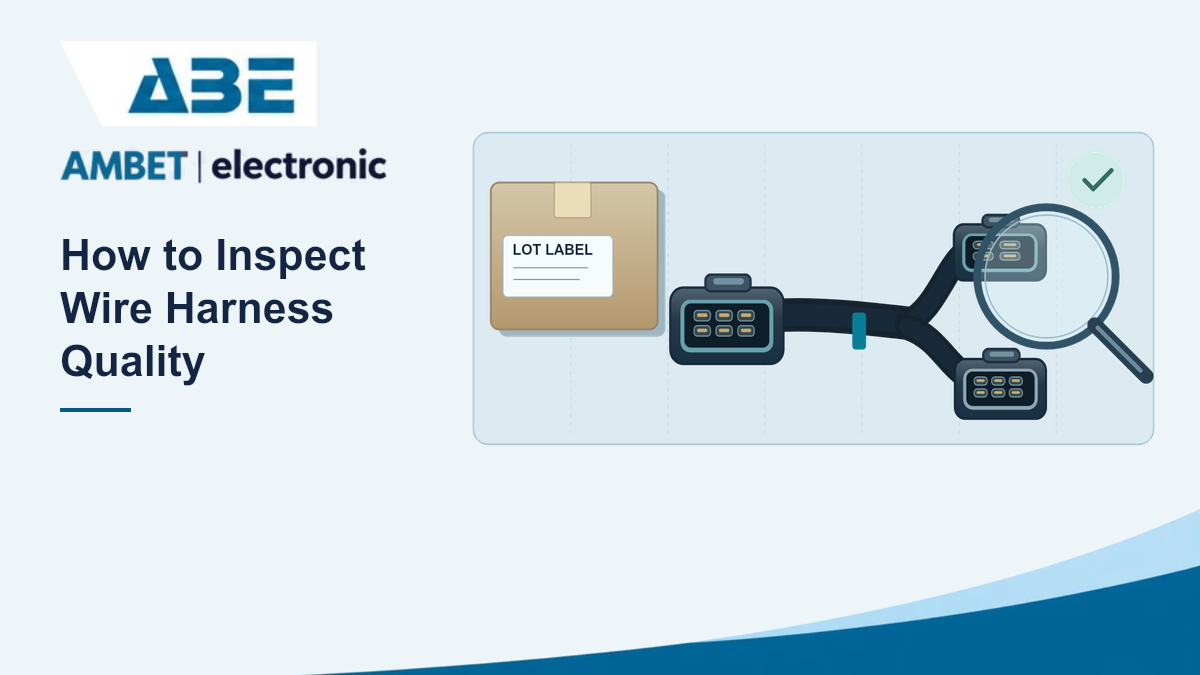
A wire harness shipment can look right at the dock and still contain the wrong revision. Tie each inspection decision to the specific parts received.
Inspect wire harness quality by matching the shipment to the purchase order and approved drawing, checking the characteristics in the incoming inspection plan, and recording the evidence that supports acceptance, quarantine, or rejection of the specific lot.
The useful question at receiving is whether this shipment can enter stock or production. Start with identity and records, then inspect the physical parts and decide what to do with exceptions.
What Should You Review Before Opening a Wire Harness Shipment?
A generic test certificate has little value if it cannot be linked to the cartons. Confirm the lot and revision before relying on the report.
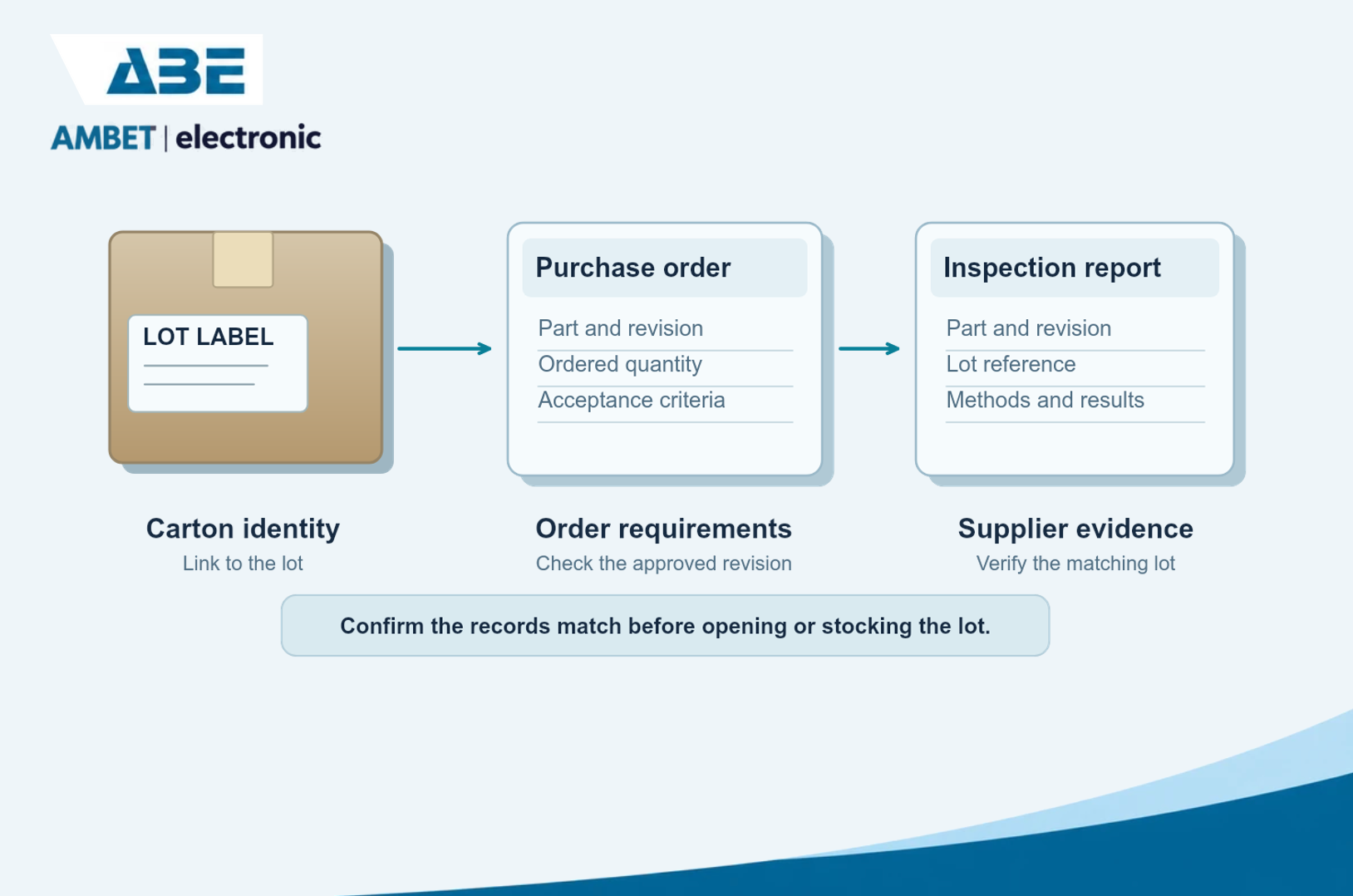
Match the purchase order, packing list, carton labels, and supplier quality records to the harness part number, approved revision, quantity, and lot. Resolve any mismatch before stocking or issuing parts.
How Do You Match Supplier Records to the Lot?
Start with the purchase order and the released drawing it invokes. Verify the part number, engineering revision, and quantities by lot. A carton label that identifies an order but leaves the production lot unclear needs clarification before the receiver combines its contents with another delivery.
Confirm which documents the order calls for. A certificate of conformance and an inspection report have different functions. Ask for the approved evidence the inspection plan requires, using lot or serial information as specified by the order.
| Receiving evidence | What must line up |
|---|---|
| Purchase order and drawing | Part number, revision, and agreed acceptance criteria |
| Carton and harness labels | Part identity, quantity, and required lot or serial reference |
| Inspection report | Identifiable units or lot, check method, limits, and results |
| Approved deviation | Affected characteristic, quantity, and permission for this shipment |
As one example, the JPL procurement clause for ground support cable harnesses1 calls for a signed test report that includes the harness identity, serial number, and revision. Your order can use lot-level traceability where appropriate. Specify the identifiers that should appear on your paperwork so the receiving team has a clear match.
Check the outside of the package for signs of crushing, water exposure, or opened seals before unpacking. Preserve the original labels and photograph damage so quality and logistics can separate a transit problem from a possible manufacturing issue.
What Should Incoming Inspectors Check on the Harness?
A passing supplier report may cover the circuitry while receiving needs to confirm fit, physical condition, and labeling. Use a plan that defines both.
Inspect the identity, connector condition, dimensions, and protective features the drawing specifies. Review electrical evidence and perform the additional checks required by the incoming plan, using controlled methods and acceptance limits.
How Should the Inspection Plan Define Coverage?
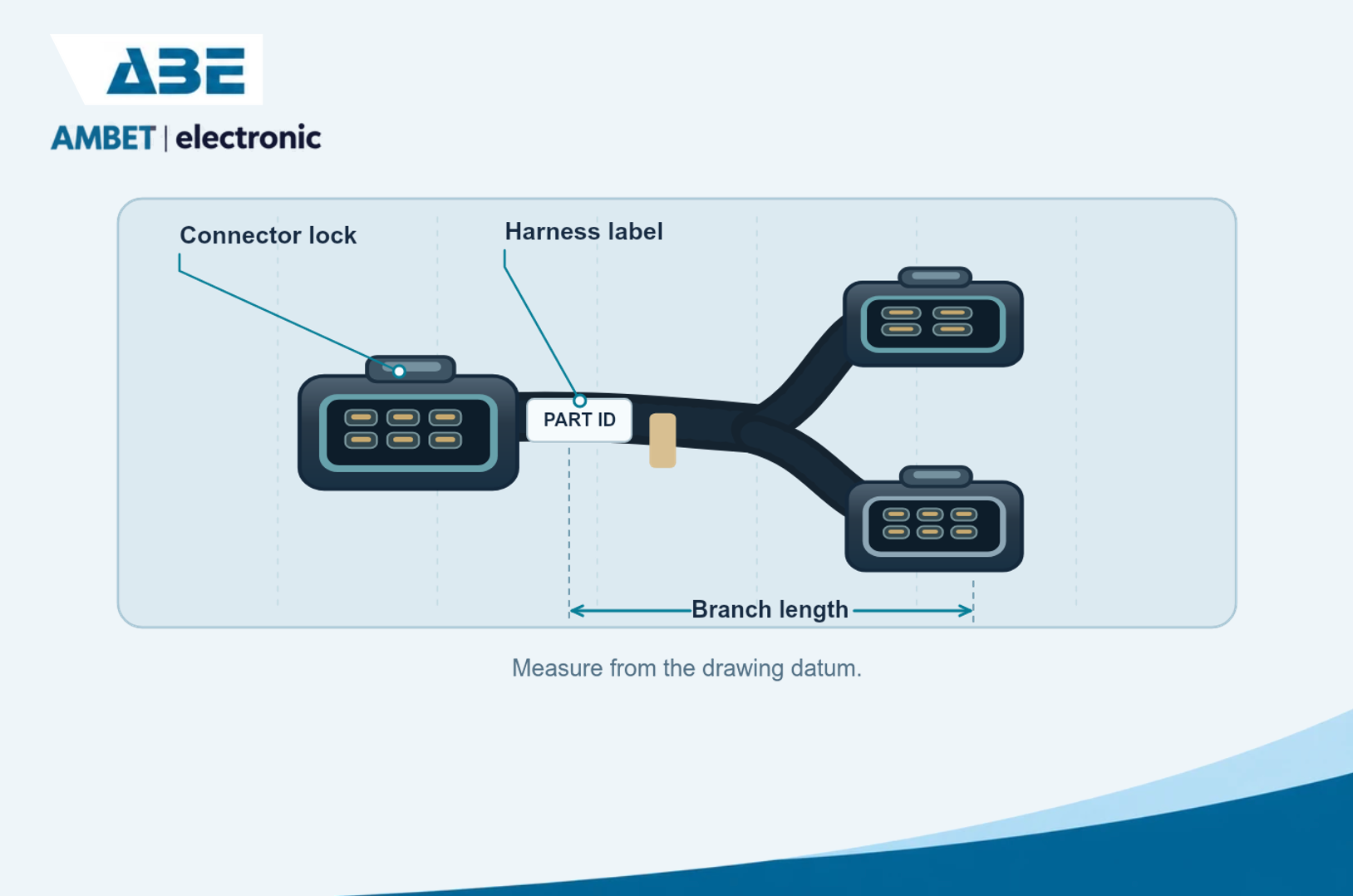
Pick the features that matter to installation and the intended use. If a connector latch opens with light handling, or a clip is clocked incorrectly, the assembly may be hard to fit even if its electrical results are good. Compare these features against the specified illustrations, notes, or reference fixtures.
Use the defined measurement datum when checking branch lengths. A housing face, a shoulder on a backshell, and the end of the wires produce different numbers on the same part. Record the method, the result, and where the sample came from so a different inspector can repeat the check.
The IPC/WHMA-A-620 standard2 provides workmanship and acceptance criteria for cable and wire harness assemblies. If your order invokes it, identify the applicable revision and class and specify inspection frequency separately. Add drawing-specific conditions, such as a label at a specified location or a clip that must fit a particular gauge.
An incoming inspection sheet can prompt the receiver to check:
- The label text, location, and legibility against the order and drawing.
- The specified connector housings, latches, secondary locks, and seals where present.
- Branch lengths, breakout orientation, and retention features affecting fit.
- Sleeving, exposed areas, and visible signs of damage or handling.
- Required electrical records and the checks the buyer must repeat.
If the buyer uses acceptance sampling3, define the lot boundaries, how samples are selected, and what happens when a defect is found. This supports a decision about a lot from sampled evidence. Keep that decision separate from any characteristics the plan requires to be checked on every unit.
How Do You Handle a Failed or Unclear Lot?
A defect in a sample creates a decision about both the part and the stock it represents. Keep that stock identifiable while quality investigates.
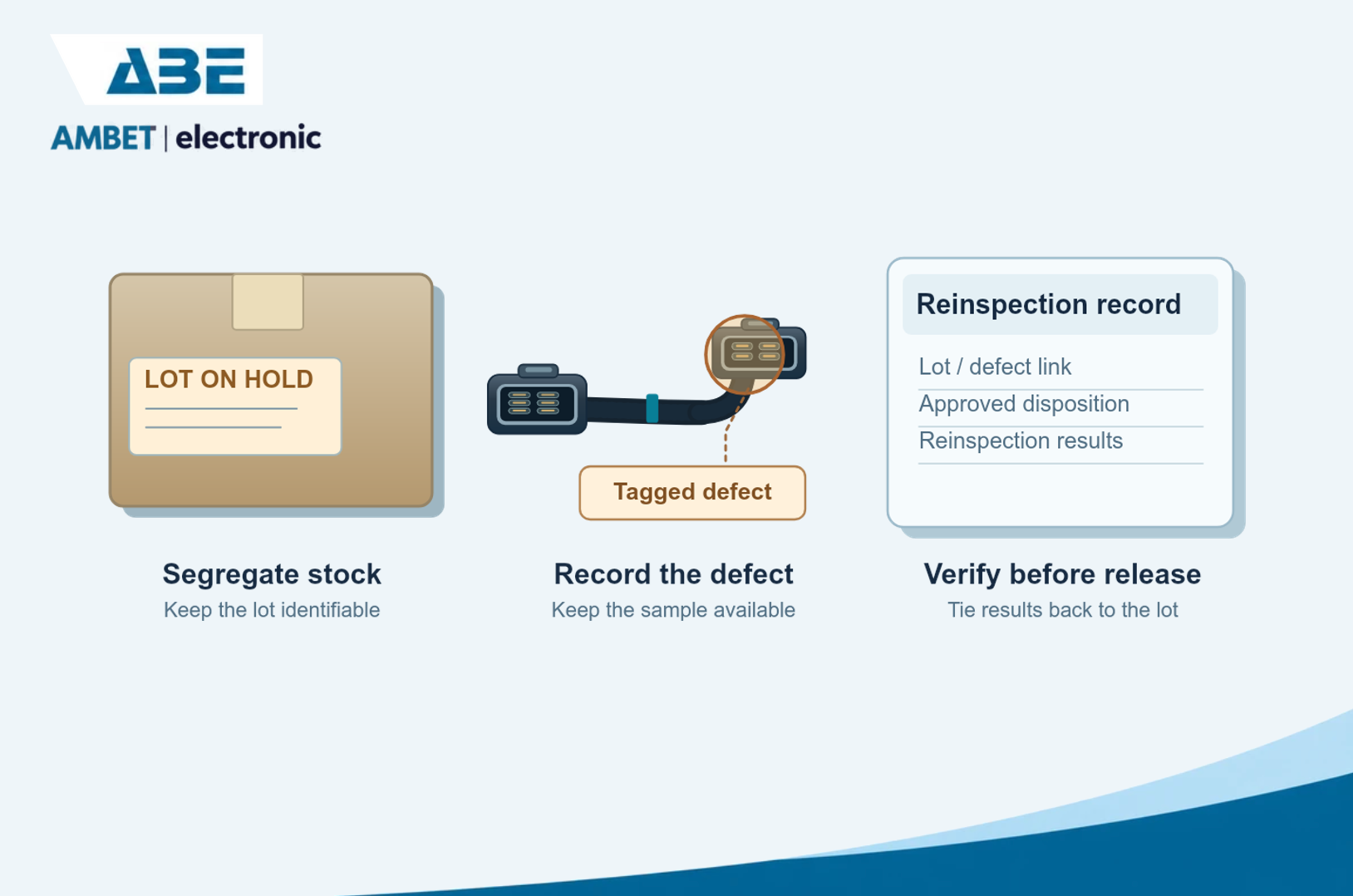
Put suspect units and affected lots on hold, document the failure and its scope, then follow the approved disposition. Verify any sorting, rework, or replacement against the stated criteria before releasing parts.
What Evidence Supports a New Acceptance Decision?
Separate the affected stock and link the hold to the receipt and lot identifiers. Report the failed characteristic, measured value or observed condition, how it was checked, and the corresponding requirement. Record how many units were checked and which cartons they came from.
For example, if an inspector finds a branch too short in a hypothetical sampled lot, record the drawing revision and datum before contacting the supplier. Ask whether other lots share the relevant fixture, drawing revision, or build period. That helps define the investigation without assuming every open order is affected.
True or False:
Inspectors can clear a failed lot by pulling a fresh sample until one passes.
False.
Follow the rejection rules and any approved resubmission process. If sorting or rework is authorized, record the extent of the work and the agreed checks that support release.
A disposition may require returning the lot, inspecting it under an approved sort plan, correcting it with documented instructions, or accepting a limited deviation with written buyer approval. Keep the condition, authorized quantity, and identification details on the record so the exception can be recognized downstream.
Agree on the closeout evidence before accepting replacement or corrected stock. The buyer's quality team should be able to tie it to the original failure, the proper lot, and the required reinspection results. Once the authorized person releases the material, update the receiving record so the hold and release are both visible.
Conclusion
A reliable incoming decision ties the right parts to the right records, checks the agreed characteristics, and keeps exceptions under control until disposition.
Shows a buyer-defined harness test report with identifiers for connecting its results to the delivered hardware. ↩
Describes the scope of wire harness workmanship criteria and explains why inspection frequency must be defined separately. ↩
Explains how a defined sample supports an accept or reject decision about a lot. ↩